
Narrow hallways often feel cramped because they receive limited daylight, have restricted floor space, or contain dark corners that make their boundaries less visible. Although lighting cannot physically increase a hallway’s dimensions, it can change how people perceive the space. The right combination of brightness, placement, and color temperature can make a passage feel more open, comfortable, and welcoming. Lighting also helps people move safely between rooms while highlighting architectural details. By choosing suitable fixtures and distributing light carefully, homeowners can improve both the appearance and function of a narrow hallway without undertaking major renovations.
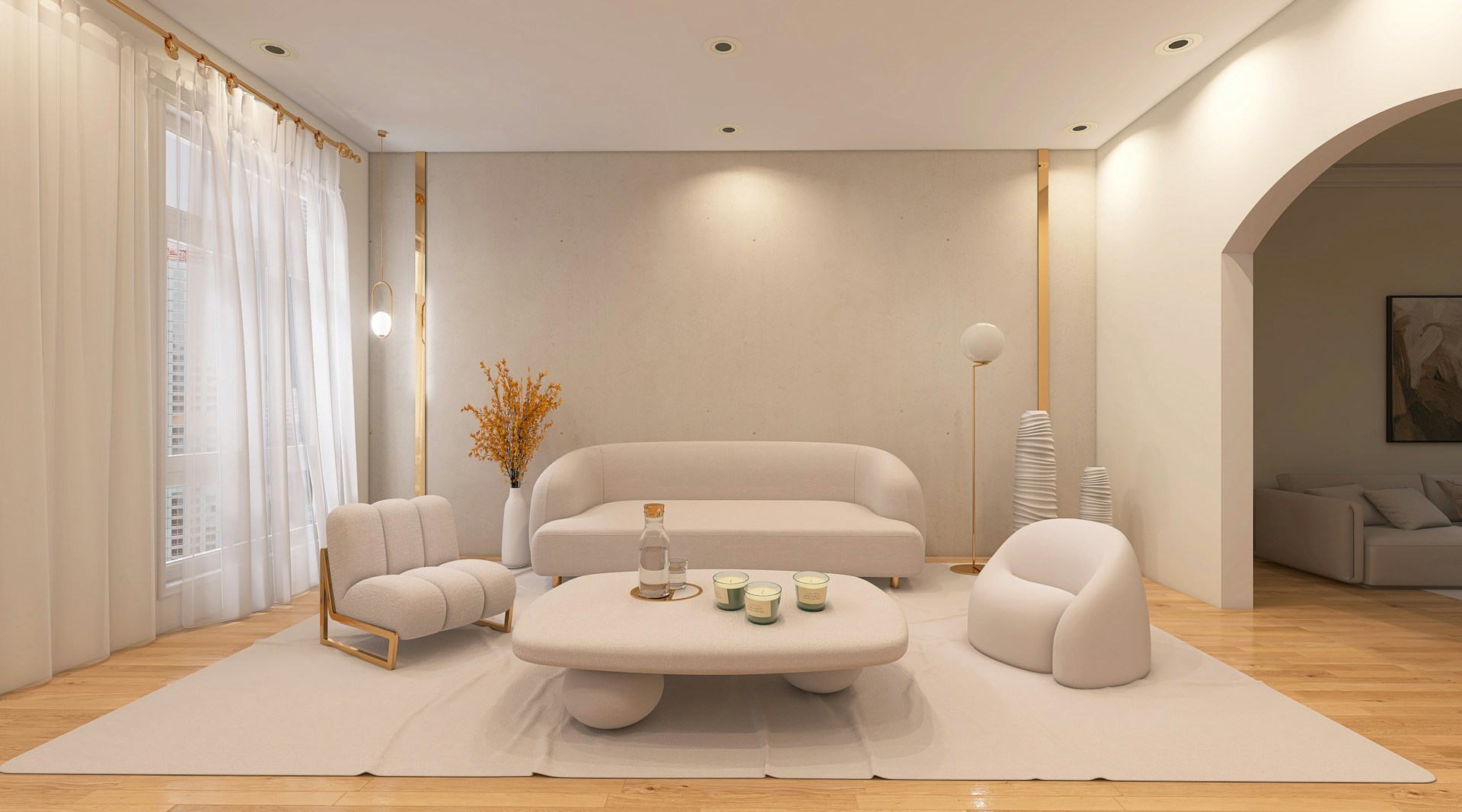
Improving Brightness Through Layered Lighting
A single ceiling light may leave a narrow hallway unevenly illuminated. The area directly beneath the fixture can appear bright, while the ends and corners remain shadowy. These darker sections may make the corridor feel shorter or more enclosed than it actually is. Layered lighting helps distribute illumination more evenly. General lighting provides overall brightness, while wall lights or recessed fixtures can soften shadows along the sides. In suitable hallways, low-level lighting can also improve visibility near the floor without overwhelming the space. The goal is not to install as many fixtures as possible. Too many lights can create glare and make a small area feel visually busy. Instead, choose a balanced arrangement that provides consistent illumination from one end of the hallway to the other. Even light distribution helps the passage feel calmer and easier to navigate.
Choosing Fixtures That Preserve Space
Fixture size matters when working with limited hallway dimensions. Large pendant lights or elaborate chandeliers may obstruct movement or make a low ceiling feel even lower. Compact fixtures generally work better because they provide illumination without competing for attention. Recessed ceiling lights are useful when the ceiling structure allows installation. They sit close to the surface and maintain a clean appearance. Flush-mounted ceiling lights offer another practical option, especially where recessed installation is unsuitable. Slim wall sconces can provide additional light without projecting too far into the walking area. Consider the hallway’s width and ceiling height before selecting fixtures. Their spacing should provide consistent brightness without creating harsh pools of light. For a particularly narrow passage, keeping the design simple can help maintain an uninterrupted visual line. This creates a more open impression while preserving the available walking space.
Using Light Color to Create Openness
The color temperature of a light source affects the atmosphere of a hallway. Warm white light creates a soft, welcoming mood, while neutral white light can produce a cleaner and more contemporary appearance. Neither is automatically better for every home. The choice should complement nearby rooms and the hallway’s existing finishes. Very warm lighting may make certain dark surfaces appear heavier, while overly cool lighting can feel stark in a residential setting. A consistent color temperature usually creates a more cohesive result, particularly when the hallway connects several living spaces. Light output also matters. A hallway needs enough illumination for comfortable movement, but excessive brightness can cause glare on glossy walls or polished flooring. Select bulbs and fixtures that provide suitable brightness for the space. Dimmable lighting can offer greater control, allowing the hallway to feel bright during busy hours and softer in the evening.
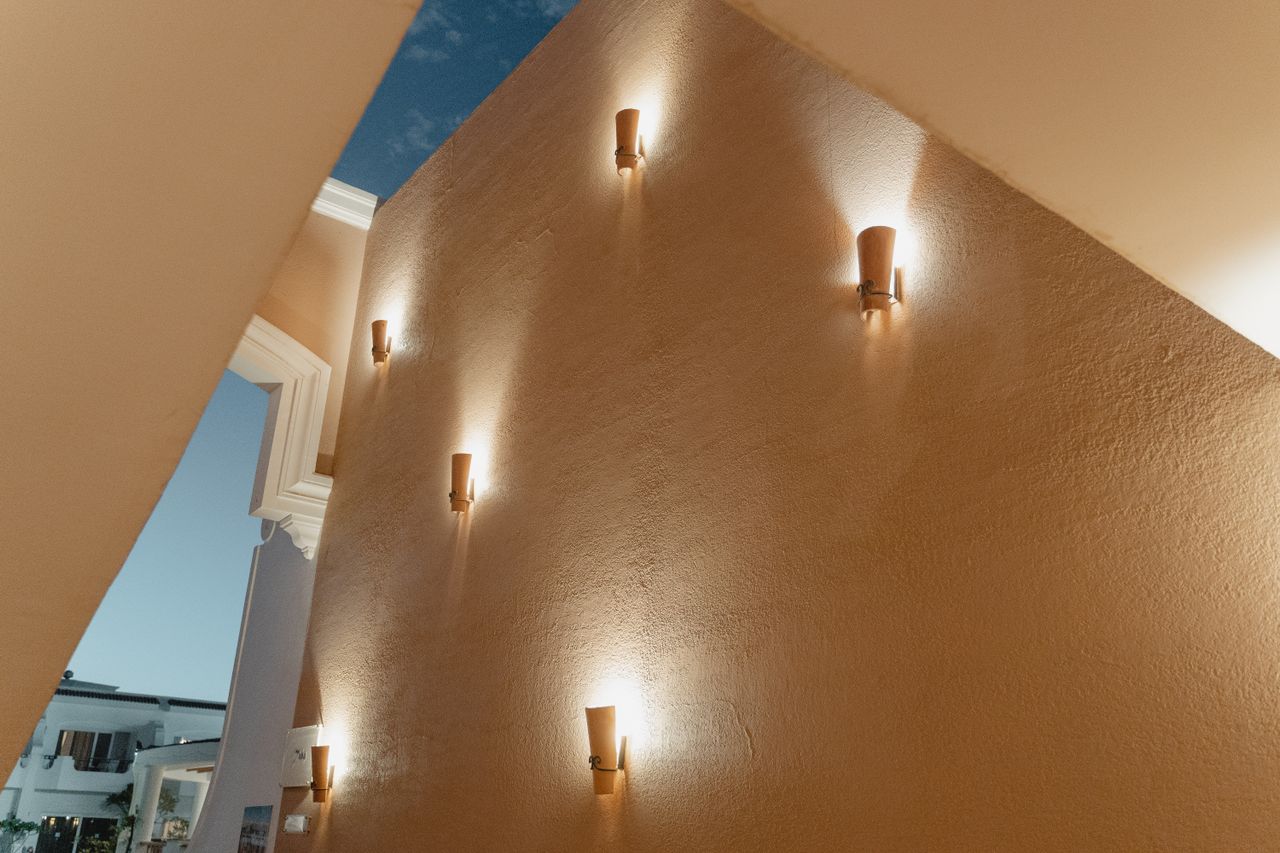
Highlighting Walls and Vertical Surfaces
Lighting directed toward walls can make a narrow hallway feel visually wider. When vertical surfaces receive even illumination, their details become easier to see, and dark corners become less prominent. This can reduce the enclosed feeling that sometimes develops in long corridors. Wall sconces that spread light upward and downward can create a gentle wash across painted surfaces. Carefully positioned ceiling lights can also illuminate walls instead of directing all their output toward the floor. The best arrangement depends on the hallway’s dimensions, surface finishes, and existing electrical points. Reflective finishes may help distribute light, but excessive shine can create distracting glare. Matte paint in a light, soft shade often provides a balanced background. If artwork or framed photographs are displayed along the corridor, focused accent lighting can draw attention to them without making the entire wall feel crowded.
Maximizing Natural Light and Reflective Surfaces
Natural light can make a hallway feel more connected to the rest of the home. If the layout allows, glazed doors, interior windows, or open doorways can help daylight reach areas that would otherwise remain dim. Privacy requirements and the home’s design should guide these choices. Mirrors can also improve the sense of openness by reflecting light and creating a visual impression of greater depth. A well-positioned mirror opposite a light source may brighten the space, while a tall mirror can emphasize vertical proportions. However, placement matters. Reflections of clutter or bright fixtures may create visual distractions instead of improving the design. Light-colored walls, ceilings, and flooring can support the effect by reflecting more available light than many dark finishes. This does not mean every surface must be white. Soft beige, pale gray, and other light neutral shades can work well when they suit the home’s overall style.
A spacious-looking hallway must still be practical. Lighting should make changes in floor level, doorways, and obstacles easy to recognize. This is particularly important in homes where children, older adults, or visitors regularly use the corridor. Place switches where they are easy to reach, and consider motion sensors or timed lighting for hallways used at night. These features can improve convenience while reducing the need to search for a switch in darkness. Avoid strong contrasts between a brightly lit hallway and very dark adjoining spaces, as these can make movement less comfortable. Thoughtful lighting design combines suitable fixtures, balanced brightness, careful placement, and finishes that reflect light effectively. By addressing both visual openness and everyday safety, homeowners can make narrow hallways feel more inviting without changing their actual size.